


Engineering Change Management
Built-in governance and traceability for automated, accurate, and coordinated engineering change management.
What is Change Management and Why Is It Important?
In today’s high-speed manufacturing environment, products evolve fast. Teams need a reliable way to manage changes to a product’s definition and disseminate those updates across the enterprise.
With PLM Engineering Change Management, teams create data governance, visibility, and associativity, ensuring every change is fully defined and controlled. This guarantees that tasks are assigned to the right people through a repeatable and automated workflow. Consequently, issues are resolved accurately, efficiently, and in real time.
PTC Partner Network
What is Engineering Change Management?
It is the formal process of creating, reviewing, and approving Engineering Change Requests (ECR), Engineering Change Orders (ECO), and Engineering Change Notifications (ECN). Efficient execution is critical; according to McKinsey & Company, it can reduce product development time by up to 33%.
With PLM, you deliver a real-time view of product data to all stakeholders, fostering cross-discipline involvement throughout the engineering change lifecycle.
What are the Benefits of Engineering Change Management?
Engineering change management delivers strategic value by enabling teams to execute change processes tailored to specific enterprise needs, driving high-efficiency product development.

Visibility
Provide a real-time view of requested changes to all stakeholders across the enterprise, fostering early cross-discipline involvement.

Traceability
Track accurate data throughout the product lifecycle from a Single Source of Truth to ensure full compliance with industry standards.

Governance
Build product associativity so that every change is identified and controlled, ensuring stakeholders always have access to the most up-to-date information.
Key Product Features
Take advantage of an accurate, fast-paced, and coordinated change process across the organization.
Standardized Auto Change Management
Choose from pre-defined processes including Full Track (CRB/CIB committees), Fast Track (admin-led), or Basic (lightweight CN).
Configurable Change Workflows
Tailor processes from quick updates to deep traceability. Scale the workflow for different lifecycle stages: prototype, NPI, and sustaining production.
Problem Reporting
Capture issues or product opportunities and link them directly to both change and quality management processes.
Deviations and Waivers
Capture temporary changes to products or processes as a formal part of the standard change workflow.
Engineering Change Notice (ECN)
Create and execute implementation plans for the enterprise, allowing for full auditing and validation before data release.
Electronic Signatures
Change records featuring sign-offs, markups, and comments connected to product data with comprehensive audit trails.
Automated Workflows
Build repeatable processes that deliver tasks automatically. Easily configure templates to provide the specific information users need.
Manufacturing System Synchronization
Automatically publish updated data to downstream systems (ERP/MES) once changes are finalized.
Business Rules & Validation
Apply automated rules to ensure all product data meets corporate and industry standards.
Remote Requirements Traceability
View the impact of changes on requirements in remote systems (via OSLC) throughout the design phase.
Engineering change management case studies
See how other manufacturers are leveraging PTC’s PLM change management software.
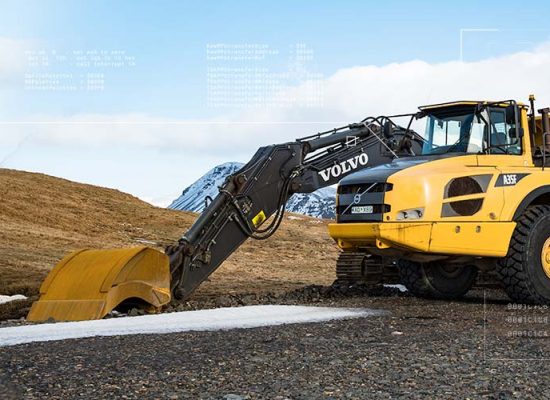
How Volvo CE removed silos between teams
Learn how Volvo CE faced the challenge of implementing change management across its entire organization.
Vaillant Group streamlines change management
Learn how Vaillant utilized change management software to decrease the time it took to implement engineering change notices from 150 days to 90 days.
EnerSys speeds time to market with change management
Explore how EnerSys is able to flag quality issues and adjustments faster than ever before by leveraging change management and part disposition processes.

PLM engineering change management FAQs
Why is change management important in the engineering design process?
Change management supports simple to elaborate change processes by providing governance and associativity so that all changes and configurations are fully defined and controlled.
What is the difference between ECN and ECR?
With an engineering change notice (ECN), users can create and execute the implementation plans for delivering the change to the enterprise. On the other hand, an engineering change request (ECR) allows the user to evaluate technical and business justifications and plan minor or major changes (fast track or full track) with the change review board.
What is the difference between ECR and ECO?
ECR allows users to evaluate technical and business justifications and plan minor or major changes (fast track or full track) with the change review board. Alternatively, an engineering change order (ECO) allows product designers to notify, seek approval, and implement their proposed changes during the product development stage.
Why is engineering change management needed?
Engineering change management is needed because products evolve quickly in today’s modern environment. Companies need a way to effectively plan and implement changes to a product’s definition and be able to share those changes across the enterprise.
What is ECN in manufacturing?
Engineering change notice (ECN) is a change management capability that enables teams to create and execute the implementation plans for delivering the change to the enterprise. It allows for auditing and validation of the changes impact prior to release of the data.
What are some challenges addressed by engineering change management?
Not having efficient engineering change management processes in place creates negative change impacts during product development. It also causes rapid change introductions, which can lead to errors and rework. There’s also a lack of cross-functional alignment throughout the enterprise and manual handovers cause delays and inefficiencies.
Talk to a Windchill Expert
Give stakeholders throughout your organization quick and easy access to product data. Windchill, PTC’s product lifecycle management solution, helps break down organizational silos leading to:
- Improved time-to-market
- Decreased costs
- Improved product quality
- More time for innovating
Windchill offers organizations the performance and scale they need to manage large data sets and with subscription pricing, you only pay for what you need. Plus, with easy integration to the ThingWorx IoT platform, data from smart, connected products in the field can be leveraged for a digital twin.
Ready to learn more about what Windchill can do for you? Submit the form and we’ll be in touch.
